
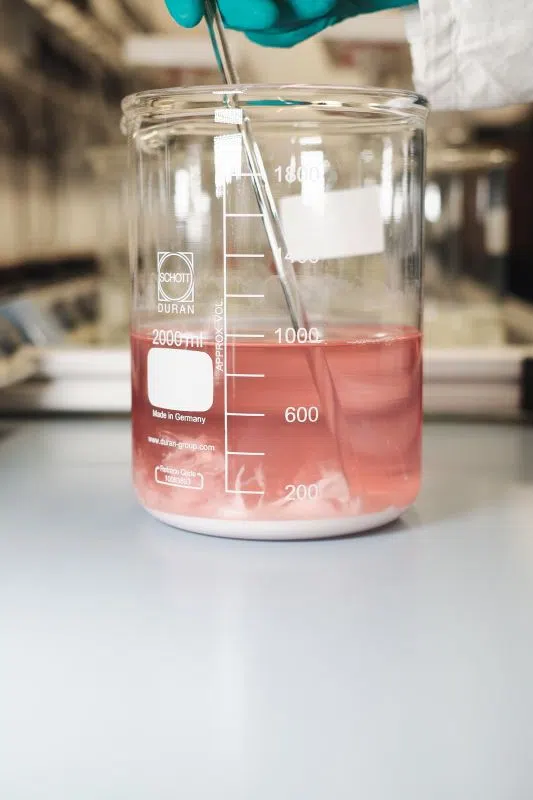
Short answer:A laboratory diamond is created by reproducing conditions that allow carbon to crystallize into a diamond structure. In the HPHT method, acronym forhigh pressure, high temperature, a diamond seed grows in a controlled high-pressure, high-temperature environment. The crystal is then analyzed, cut, polished and can receive an independent gemological report.
The phrase lab-created diamond usually arouses two opposite reactions: fascination with science or doubts about its authenticity. Both are understandable. The precise answer is that a lab diamond is not an imitation like cubic zirconia nor necessarily a moissanite. It is diamond: it shares chemical composition, crystalline structure and essential optical and physical properties with natural diamond, although it is formed by a technological and not a geological process.[^3]
Understanding the process helps separate poetry from the product of facts. A diamond can be deeply symbolic and at the same time require exact language about its formation, its certification, and its limits. In commemorative jewelry, this clarity is even more important because the raw material can be associated with an unrepeatable personal history.
Two main technologies: HPHT and CVD
Laboratory diamonds intended for jewelry are produced mainly by two methods:HPHT y CVD. HPHT means high pressure and high temperature; recreates, in a controlled manner, a physical environment capable of promoting diamond growth. CVD stands for chemical vapor deposition; uses carbon-rich gases in a chamber to form layers on a diamond seed.[^1]
There is no universal answer to which is better. They are different technologies, with their own growth characteristics and production possibilities. The choice depends on the laboratory, the desired size, color, target quality, production schedule and subsequent treatments. For a person who orders a piece of jewelry, what is relevant is that the method is declared transparently when the gemological report includes it.
This article focuses on HPHT because it is one of the processes most associated with the idea of transforming a carbon source into a diamond crystal. Even so, the specific technology and proprietary steps may vary between laboratories.
Step 1: Prepare a Carbon Source and Diamond Seed
The chemical protagonist of the process is carbon. In HPHT growth, a capsule contains a carbon source, a metal flux that helps dissolve it, and a diamond seed that guides crystallization.[^2] The seed is not a finished diamond: it is a small fragment of diamond that serves as a starting point for the new crystal to grow with the appropriate structure.
In commemorative projects, the explanation must be especially careful. That a personal sample participates in obtaining carbon does not mean, by itself, that all the carbon present in the final gem comes exclusively from that sample. Industrial conditions, auxiliary materials and the mixture necessary for growth can be part of the process. That's why it's a good idea to ask for specific documentation about what is received, how it is processed, and what exact claim the supplier supports.
Technical honesty does not reduce emotional value. It makes it more solid. A memory story deserves to be told without ambiguity.
Step 2: Create extreme pressure and temperature conditions
In order for carbon to adopt a diamond structure, the HPHT system applies very high pressures and temperatures within specialized equipment. The goal is not to literally copy a mine, but to reproduce a region of physical stability in which carbon can crystallize as diamond in a controlled environment.
Inside the capsule, the carbon dissolves in the metal flux. The temperature difference between areas favors the carbon to move and be deposited on the seed. It is a crystal growth process, not an instant impression of a finished stone. Depending on size and quality parameters, growth can last from hours to weeks.[^2]
Precision matters in every variable: pressure, temperature, flux composition, seed orientation, time and atmosphere. Small variations can affect the color, the presence of inclusions, the shape of the crystal and the need for subsequent treatments.
Step 3: Raw Crystal Growth
When the environment is stable, the carbon begins to organize into a crystalline lattice on the seed. At first glance, the result does not yet resemble a shiny gem. It is a raw crystal with a shape determined by the growth conditions. It may have flat faces, color variations, or internal features that will later be analyzed by gemologists and cutters.
Growth time is not a direct indicator of quality. A stone takes as long as its technical recipe and target size require; The final quality depends on multiple decisions. A large gem is not automatically better than a small one, and a deeply colored stone is not necessarily more valuable than a colorless one. Everything must be evaluated in relation to the design and purpose of the jewelry.
In the case of a commemorative piece, the lab may have to coordinate the growth with the desired color, expected final weight, and the size that will fit the design. It's helpful to know that the finished carat does not equal the initial weight of the crystal: cutting removes material to create proportion, symmetry, and brilliance.
Step 4: analysis, possible treatment and classification of the material
Before cutting, the crystal is studied to determine its potential. Size, color, transparency, internal tensions and inclusions are reviewed. Some laboratory diamonds receive post-treatments to modify or stabilize the color. This does not make them fake, but it should be declared where appropriate in the gemological report. GIA explains that its analysis methods allow the differentiation of HPHT and CVD diamonds and the detection of certain post-growth treatments.[^1]
Transparency at this point is essential. An informed buyer should be able to tell if their gem is natural or lab-grown, if it comes from HPHT or CVD when declared, and if there is evidence of treatments. The objective is not to prioritize one option over another, but to avoid confusion.
It is also decided what part of the gross will be allocated to the final gem. The sizing plan seeks to balance weight, shine, symmetry and visual cleanliness. Sometimes preserving more weight means accepting less favorable proportions; In others, a part of the material is sacrificed to obtain a more luminous stone.
Step 5: cutting, polishing and visual birth of the gem
Cutting is the moment when a crystal becomes a jewel. A rough diamond may have a fascinating scientific origin, but its behavior in light will depend on how its facets are cut and polished. The carver works so that the light enters, is reflected internally and comes out towards the eye with brilliance, fire and sparkle.
Brilliant round cuts are known for their ability to maximize luminosity. Oval, emerald, pear, cushion or radiant cuts offer different personalities: some prioritize sparkles, others geometric clarity or visual elongation. In a souvenir piece of jewelry, the shape may be linked to the wearer's aesthetic or a personal image, not just a commercial classification.
After polishing, the 4Cs are evaluated: carat weight, color, clarity and cut. In laboratories that issue reports for laboratory-grown diamonds, these characteristics are documented in a manner comparable to that of natural stones, along with identification of origin when the service includes it.[^3]
Step 6: gemological report and identification
An independent gemological report adds an objective layer to the jewel's story. It may include measurements, shape, proportions, color, clarity, size, finish, laboratory origin, and in some cases, method of growth or treatment. It is not a sentimental appraisal or a resale guarantee; is a technical description of the gem examined.
The laser inscription on the girdle can physically connect the stone to the report number. GIA notes that its graded laboratory diamonds are inscribed with an indication of laboratory origin and an evaluation number to facilitate clear identification.[^4] Inscription is not a substitute for good document custody, but it helps verify which gem and report correspond.
For a commemorative jewel, the gemological report must coexist with other documentation: that which explains the chain of custody of the personal sample. They are different documents and both matter.
What to ask if you want to order a commemorative diamond
- What growth method does the laboratory use: HPHT, CVD or other?
- What exactly happens to the delivered sample and what can be documented?
- How much is needed and how is it identified throughout the process?
- Which gemological institute will issue the report and what data will it include?
- Will the growth method and treatments, if any, be declared?
- What happens to leftover material or unused samples?
- What are realistic deadlines from receipt to delivery of the jewelry?
Sakti Atelier asks these questions before designing the piece, because the beauty of a gem should not obscure key information about its origin, its documentation, or the treatment of a sensitive specimen.
Related Frequently Asked Questions
Yes. It is a lab created diamond, not an imitation. Its formation is technological, but its composition and structure are those of diamond. It must be correctly identified as a laboratory so that the purchase is transparent.
Crystal growth can last from hours to weeks, depending on size and technical parameters. The complete order takes longer because it includes preparation, quality control, cutting, certification, design and manufacturing of the jewelry.
The answer depends on the vendor's method and documentation. Absolute traceability should not be assumed without a concrete technical explanation. Ask that the provenance claim be detailed in writing and separate the process documentation from the stone's gemological report.
Not in all cases. They are different methods. The comparison must take into account the specific gem, the shape, the color, the clarity, the declared treatments and the final design.
Science, precision and a personal story
The HPHT process turns materials physics into a jewelry possibility: carbon, pressure, temperature, crystallization, cut and light. In a commemorative jewel, this scientific sequence also takes on an intimate dimension. The important thing is that this emotion is supported by a rigorously explained process, not by grandiose phrases.
Sources
- GIA, HPHT and CVD Diamond Growth Processes
- GIA Research, Laboratory-Grown Diamond Trends
- GIA, More Info About Laboratory-Grown Diamonds
- GIA, Laboratory-Grown Diamond Report
- Reference:Materials Science.
- Atelier Process: See Sakti Process
- Main Category: Sakti Guide
Suggested Articles:
Create a memory that will last a lifetime
Discover the personalized design and assembly process in our atelier.
Let's talk to the Atelier