
Quick response
An equestrian tribute can take the form of a diamond created in a laboratory from a project linked to a horse's mane, tail or ashes. The most technically coherent route for a carbon gem is the mane or tail, because they are keratin fibers with carbon in their composition. Ashes require a more precise explanation: after cremation, mineral components predominate, so it should not be assumed that the carbon in a gem comes exclusively from them.
Before ordering the piece, ask for clarity on four aspects: what sample is allowed, what role it plays in the process, whether supplemental carbon is used, and what documentation is provided regarding custody and certification. The result should be a real gem and a story explained without exaggeration.
An equestrian relationship that deserves its own language
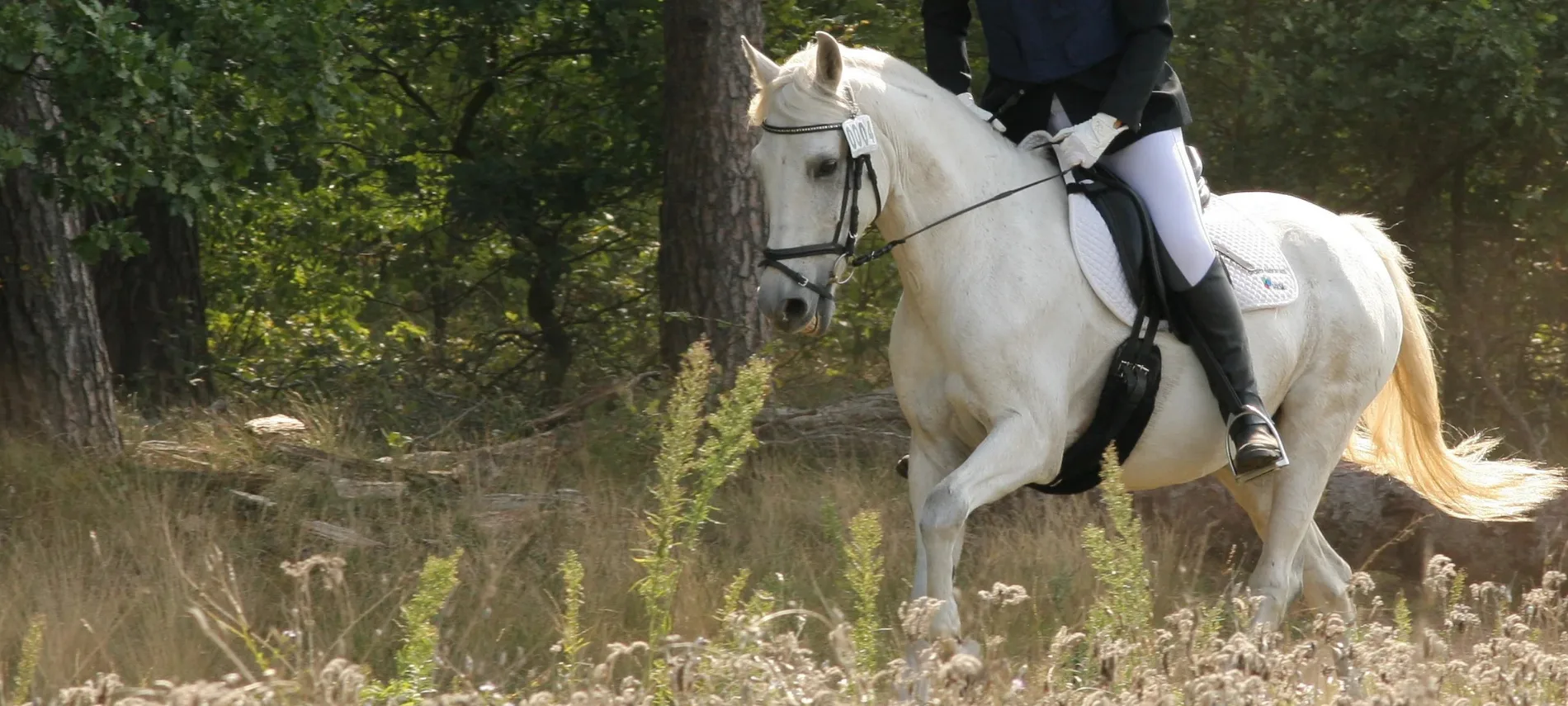
The relationship with a horse is built through habits, attention and trust. Anyone who has lived with one knows scenes that may seem small to others: the preparation before riding, the change in breathing, a look that warns that something is not right, the progress made after weeks of patience. The bond is rarely limited to sport. It can be linked to a decisive stage in life, to a family, to a block or to a friendship that has accompanied you for years.
That is why equestrian memorial jewelry does not have to emerge only after a farewell. It can also celebrate a shared life, a retirement, an anniversary or the desire to carry close what a horse represents. A laboratory-created gem offers a unique way to do this: turning a sample linked to the animal into the starting point for a stone and, later, for a jewel designed to last.
It is not about keeping a visible mane or braiding it into a piece. The process starts with an organic sample of mane or tail, or ashes contributed for a commemorative project, and studies how to integrate that sample into a diamond growth path. Matter does not maintain its original shape. It is prepared and transformed through physical-chemical procedures before reaching the crystal.
Mane and tail: why they can be relevant to a diamond
The mane and tail are keratin fibers. Like other types of hair, they contain carbon as well as hydrogen, oxygen, nitrogen and sulfur. For this reason they can be presented as an organic sample suitable for carbon recovery and preparation processes aimed at a carbon gem: a diamond.
This does not mean that there is a universal quantity or that any sample can be used without evaluation. The laboratory must indicate in writing how much horsehair it needs, how it should be collected, what cleaning conditions it requires and what happens if the sample does not meet the technical requirements. A rigorous provider does not replace these explanations with a generic figure or an absolute promise about the result.
Collection must be governed by the welfare of the animal. In a live horse, a small sample of the tail can be obtained without pain, without pulling the hair and without disturbing its routine. The International Equestrian Federation establishes that the well-being of the horse must be a priority in any practice and management.[^1] This principle is also valid in a symbolic gesture: no jewel should be obtained at the cost of inconveniencing the animal you want to honor.
The sample must be sent dry, clean and correctly identified. A receipt record, project number and stage confirmations provide practical traceability and reduce confusion.
Horse ashes: transparency before simplification
Cremation ashes are not equivalent to a hair sample. High temperatures transform a large part of the organic matter and the residue contains mainly mineral components. Hence the phrase ash diamond needs context: does the ash actually contribute carbon to growth, is it used alongside additional carbon, or is it otherwise involved in the project?
Each procedure can be different. A service can treat ash before a laboratory phase or combine it with a carbon source suitable for growth. You should explain what is happening without implying an automatic chemical relationship.
This precision does not dampen the tribute: it makes it more reliable. When the only sample available is ashes, the decision must be based on clear documentation about its role, additional materials, and the limits of what can be demonstrated. When a mane or tail is available, there is a more direct connection to an organic carbon source, but it also requires a verifiable protocol.
How a lab diamond is created
Diamond is carbon arranged in a specific crystalline structure. Gem-quality lab diamonds are primarily grown using two methods: high pressure and high temperature, known as HPHT, and chemical vapor deposition, known as CVD. GIA describes both as controlled diamond growth systems, although each follows a different technical route.[^2]
In HPHT, the carbon material is subjected to extreme pressures and temperatures inside a growth cell and the crystal grows around a diamond seed. In CVD, a carbon-rich gas is broken down in a chamber and atoms are deposited on a seed layer by layer to form a crystal.[^3]
A sample of horsehair does not directly become a carved stone. It may require cleaning, purification, carbon isolation and preparation to make it compatible with the chosen method. Next comes the crystal growth, cutting, carving and polishing. Finally, the gem is analyzed just like any diamond: weight, color, clarity, cut, fluorescence and possible subsequent treatments.
There is a chemical limit that should be known. Manes can be related to the creation of a diamond because diamond is carbon. The same does not happen with a ruby or a sapphire, which are varieties of corundum and are based on aluminum oxide. A colored gem can be integrated into an equestrian design, but should not be presented as created from an organic sample if its composition does not allow it.
Gemological certificate and traceability: two different tests
A gemological report identifies the stone, confirms whether it is a lab-grown diamond, and describes its characteristics. Depending on the issuing laboratory, it may also indicate the growth method, such as HPHT or CVD. GIA notes that its reports for laboratory-grown diamonds clearly differentiate them from mined diamonds and document specific information about their growth origin.[^4]
However, that report does not usually prove on its own that all the carbon atoms come from a specific horse. The certificate answers the question of what the gem is. Commemorative traceability responds to another: how the sample was managed from when it was received until the piece was delivered.
A solid experience must bring together both layers. On the one hand, an independent certificate about the gem. On the other hand, a chain of custody with sample identification, confirmation of receipt, record of relevant phases and explanation of what happens with the unused material. Confusing both documents leads to wrong expectations.
The U.S. Federal Trade Commission requires that lab-created products be clearly described and not confused with mined stones.[^5] In commemorative jewelry, that clarity must also encompass the actual relationship between the sample and the growing process.
Design a piece of jewelry that talks about the horse without having to explain it
Once the gem is created, the most personal part begins: deciding how to wear it. An equestrian tribute can include obvious references, such as a horseshoe, a buckle, or a silhouette; but you don't have to. Often, a line inspired by a rein, an elongated carving suggesting movement, an interior engraving, or a stone chosen for its color express more than a literal symbol.
Ring offers everyday presence, although it requires a protective setting. A pendant allows the gem to be worn close to the body. A stamp, cufflinks or a brooch can turn the tribute into a family legacy.
The metal modifies the tone of the memory and the resistance of the piece. 18K yellow gold brings warmth and tradition; White gold and platinum work well in designs with clean lines and colorless or blue stones; Rose gold can add softness to warm tones. The choice should consider the intended use, skin tone, frequency of contact with water or sport, and future maintenance.
The setting is just as important as the gem. A good structure protects the edge of the stone, makes cleaning easier, and prevents the design from relying on unnecessary brittleness. The jewel must accompany daily life without putting at risk the memory it contains.
Essential questions before ordering
Before starting the project, ask for clear answers to these questions:
- What sample is allowed: mane, tail, ashes or another organic source?
- What quantity is needed and how should it be shipped?
- What method will be used: HPHT, CVD or other?
- What exact role does the sample play in growth?
- Is supplemental carbon or any other additional material used?
- How is the sample identified throughout the process?
- What custody documentation is provided?
- Which independent laboratory will evaluate the gem and what will the report include?
- What happens to the material that is not used?
- What alternatives are there if the expected size, color or quality is not achieved?
These questions do not express distrust. They protect the meaning of the assignment. A serious project must answer them without hiding behind technicalities or promising certainty that gemological analysis cannot provide.
Related Frequently Asked Questions
It can be raised from a small sample collected without pain or stress. The specific feasibility depends on the laboratory protocol and the evaluation of the material received.
It should not be taken for granted. After cremation, mineral components predominate; That is why we must ask for a specific explanation about its role and the use of additional carbon.
Yes. It has the same essential physical, chemical and optical properties as a mined diamond, although its laboratory origin must be clearly declared.[^6]
The report certifies the gem. Linkage to the sample depends on the chain of custody and process documentation.
A tribute that is sustained in truth
The most valuable equestrian jewel is not the one that accumulates the most symbols, but the one that respects the horse, bluntly explains the role of the show and turns that journey into a lasting gem and design. The mane and tail offer a carbon-related organic pathway; Ashes can be part of a commemorative project, but require greater precision regarding their treatment.
When science, stewardship, and design are aligned, the result need not exaggerate what it is: a real stone and an intimate way to continue a relationship that has taught care, presence, and freedom.
Sources consulted
- Federation Équestre Internationale.Code of Conduct for the Welfare of the Horse.
- Gemological Institute of America.HPHT and CVD Diamond Growth Processes: Making Lab-Grown Diamonds.
- Gemological Institute of America.Man-Made Diamonds: Questions and Answers.
- Gemological Institute of America.Laboratory-Grown Diamond Report.
- Federal Trade Commission.In the Loupe: Advertising Diamonds, Gemstones and Pearls.
- Federal Trade Commission.Buying Gemstones, Diamonds, and Pearls.
- Category Pillar Guide: Equestrian tributes: jewelry with horse mane and ashes
- Glossary Term: GIA
- Comparative Analysis: Ruby vs Commemorative Sapphire
- Commemorative Royal History: Platinum tribute to a legendary horse
- Process Page: Sakti Atelier Process
- Main Category: Horse Jewelry
Related Articles:
Create a memory that will last a lifetime
Discover the personalized design and assembly process in 18k gold or sterling platinum in our atelier.
Let's talk to the Atelier